So you want to be a Surf Photographer?
Want the Brutal Truth?
You’ve seen the glossy magazine spreads, the Instagram bangers, the cinematic slow-mo barrels, and thought: That’s the life. Wake up to salty air, shoot epic waves, travel to tropical dreamscapes, and bask in the stoke of the surfing tribe.
It can be the life, if you’re okay with the reality that most surf photographers make just enough to pay for fuel, gear repairs, and maybe a burrito after the session… if they make anything at all. The harsh truth? Unless you’re one of a tiny handful shooting for major brands, top competitions, or a dream roster of pro surfers, the “salary” is a mix of day-rate scraps, image licensing pennies, and free swag.
That’s because the supply of surf photos has exploded, everybody has a GoPro, and the market’s been devalued by free content. Even respected names often bankroll their own shoots, hoping to sell enough prints or land enough gigs to break even. Think passion project with a side hustle rather than a full-time paycheck.
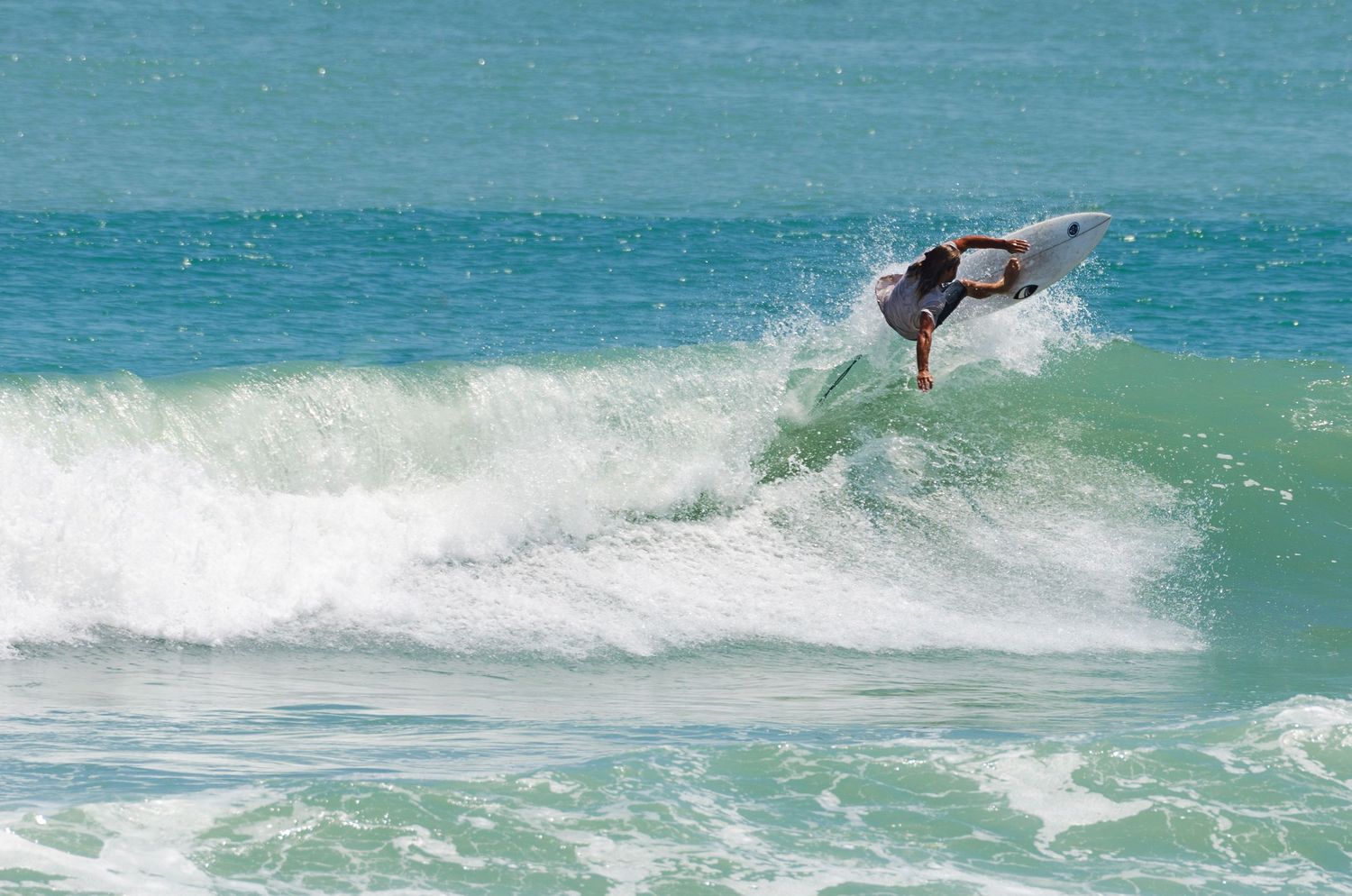
So why do it? Because when you nail that shot, spray frozen mid-air, surfer tucked impossibly deep inside a glowing barrel, you feel like a legend. You paddle in, and strangers give you hi-fives. Your images might get passed around the world. In the tight-knit surf community, that recognition can be worth more than the check (especially since the check might be for $50).
You’ll be joining a legacy that runs from LeRoy “Granny” Grannis shooting with homemade housings in the ’60s, to today’s water-housing daredevils chasing 50-foot faces at Jaws. None of them did it for the money, they did it for the love of freezing moments the rest of the world would never see.
The reality:
- Expect years before you break even on gear.
- Most freelance surf photographers earn anywhere from $0 to a few thousand dollars a year from surf-specific work, many support themselves with weddings, portraits, or commercial gigs.
- You’ll replace lenses and housings more than you’d like to admit.
- Your best payment might be in friendships, respect, and the rare image sale that actually covers a month’s rent.
If you can accept that, you’ll find surf photography rewarding in ways money can’t touch. But if you’re in it for a career income ...well, you might want to keep your day job and treat the surf as your church, your playground, and your occasional gallery.
💀 The Brutal Truth: Surf Photography by the Numbers
Average yearly income (freelance surf photographers):
- $0 – $5,000/year for the majority of hobbyists and part-time shooters.
- $10,000 – $20,000/year if you’re hustling hard with multiple revenue streams (event coverage, brand contracts, stock licensing, print sales).
- $30,000 – $50,000/year is very rare, usually for photographers with major brand sponsorships, recurring editorial contracts, or a strong social following with monetized content.
Where the money actually comes from:
- Surf brands & competitions (lowest per-image rates in pro sports).
- Private client shoots for surfers who want portfolio or social media content.
- Selling prints or digital downloads to surfers in the lineup.
- Licensing to magazines or ad campaigns (think hundreds, not thousands, per shot).
- Side work in weddings, portraits, commercial gigs, or product photography.
Typical annual expenses (for a working surf photographer):
- Camera body: $1,500 – $6,000
- Lenses: $1,000 – $8,000 (wide & telephoto essentials)
- Water housing: $1,000 – $4,000
- Drone: $1,000 – $3,000
- Travel & fuel: $1,000 – $5,000+ (depending on how much you chase swell)
- Insurance: $500 – $1,500 (if you want your gear replaced after the inevitable saltwater kill)
- Misc gear repairs & replacements: $500 – $2,000/year
Return on investment reality check:
It’s common for surf photographers to spend $10k – $20k in gear before seeing a single profit year. Many never fully “break even” in a financial sense—profit is often replaced by access, recognition, and the privilege of living close to the water and culture you love.
The upside?
- Front-row seat to every swell.
- Global recognition in the surf community if you consistently deliver jaw-dropping shots.
- A ticket into a tight, passionate network of surfers and creatives who value the ocean more than the bank account.
Bottom line:
If your goal is money, this isn’t the lane. If your goal is saltwater in your hair, stories to tell, and your work immortalized in the culture of surfing—you’ve found your church.
